The first six months of life are a time of enormous adjustment and growth. In Montessori, this stage is not about formal teaching or structured lessons. It is about creating a calm, safe, and nurturing environment where your baby can gradually adapt to the world, observe, move, listen, and connect.
At this age, your baby’s main needs are simple: closeness, rest, feeding, gentle movement, and sensory exploration. A Montessori approach can support this by keeping the environment calm, uncluttered, and responsive to your baby’s development.
Please note: This article is for general information only and is not a substitute for medical, developmental, sleep safety, or feeding advice. Always follow current safe sleep, child safety, and feeding guidance from your child health nurse, paediatrician, or qualified professional.
Montessori Environment for 0–6 Months
For a very young baby, the bedroom or sleeping space is often the main environment. Before birth, the baby’s world was warm, enclosed, dim, and filled with muffled sounds. After birth, the outside world can feel bright, noisy, and stimulating.
In the early weeks, it can help to keep the baby’s environment gentle and calm. This does not mean the room needs to be silent or dark all the time, but soft lighting, a peaceful atmosphere, and minimal visual clutter may support your baby’s adjustment.
Simple Environment Ideas
- Use natural light where possible.
- Keep colours soft, warm, and calm.
- Avoid too many bright, flashing, or noisy objects.
- Create a comfortable feeding space.
- Allow your baby to hear calm family voices and everyday household sounds.
A window view can also be interesting for a baby, especially if they can see light, shadows, leaves, or gentle movement outside.
Visual Stimulation and Mobiles
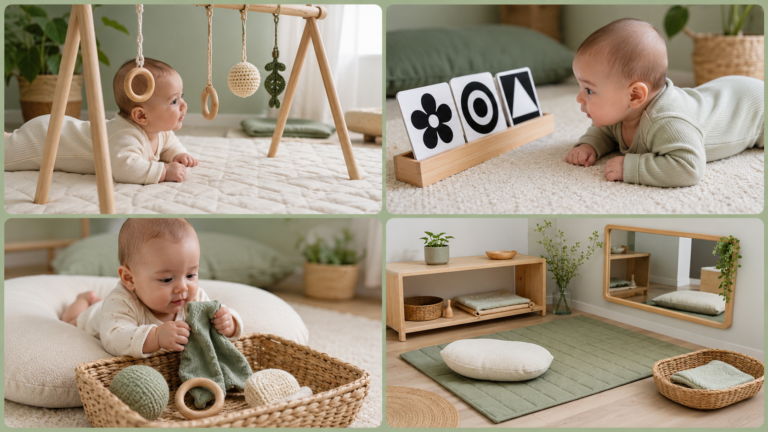
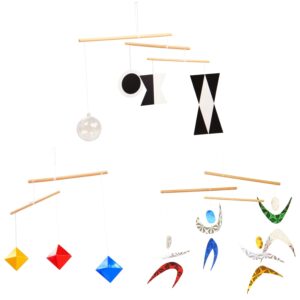
In the early months, babies are often drawn to strong contrast, especially simple black-and-white patterns. They may also enjoy watching shadows, light, faces, and slow movement.
A simple Montessori-style mobile can be placed where the baby can look at it safely. In the early weeks, babies can only see clearly at a short distance, so visual materials should be placed close enough to observe, but always safely out of reach and securely attached.
Simple Mobile Ideas
- Black-and-white images or patterns
- High-contrast shapes
- Realistic pictures of family members
- Mobiles that gently reflect natural light
- Simple handmade mobiles with limited colours
There is no need for very bright, flashing, or noisy toys. A baby’s environment can still be beautiful and engaging without being overstimulating.
Feeding and Connection
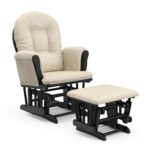
If the baby is fed in the bedroom or nursery, it can be helpful to create a calm and comfortable feeding area. This might include a supportive chair, a small table nearby, and anything the parent may need within reach.
During feeding, the focus can simply be on connection. Feeding is not only about nutrition; it is also a time for warmth, eye contact, touch, and bonding.
This does not need to be perfect every time. Parents are human, and real life is busy. The Montessori idea is simply to be as present and responsive as possible.
Sleep Space and Movement
For sleep, always follow current safe sleep recommendations for your country or health provider. The sleep space should be safe, firm, and appropriate for your baby’s age and development.
As babies grow, they also need safe opportunities for movement while awake and supervised. Tummy time, floor time, and gentle opportunities to stretch and turn are important for physical development.
Short periods of supervised tummy time may help babies develop:
- Neck strength
- Shoulder strength
- Body awareness
- Early movement control
A simple mat or blanket on the floor can allow your baby to be near family life while awake and supervised. This helps the child observe voices, movement, and daily rhythms rather than being separated from the household whenever awake.
The Absorbent Mind
Maria Montessori observed that young children learn naturally from their environment. She called this early capacity the absorbent mind.
For children under three, learning does not happen through formal lessons. It happens through daily experience. Babies absorb language, tone, movement, rhythm, and emotional atmosphere from the people and spaces around them.
For a baby aged 0–6 months, this means the environment matters. A calm, respectful, and responsive space supports the child’s natural development.
Ways to Support the Absorbent Mind
- Speak gently and clearly.
- Respond to your baby’s cues.
- Create simple daily rhythms.
- Offer calm and beautiful surroundings.
- Allow time for observation and movement.
At this age, Montessori is not about doing more. It is often about doing less, but doing it with attention.
Montessori Materials and Toys for 0–6 Months
Babies do not need many toys. A few simple, safe, and beautiful materials are enough.
The best materials for this age are usually those that support looking, reaching, grasping, mouthing, listening, and early movement.
Simple A-Frame or Baby Gym
A wooden A-frame or simple baby gym can give the baby something to look at and, later, reach toward. Keep it simple and ensure anything attached is secure and suitable for the baby’s age.
Soft Grasping Toys
Soft balls, cloth books, rattles, and fabric items can support early grasping and hand development. Choose items that are safe for mouthing and easy for small hands to hold.
Lightweight Rattles
A small, lightweight rattle can support grasping, listening, and early cause-and-effect learning. The baby gradually discovers that movement can create sound.
Textured Materials
Soft fabric, crochet balls, and natural materials can offer different textures for the baby to explore. Always make sure items are safe, clean, and appropriate for the baby’s stage.
Mobiles
Mobiles can be wonderful for visual development when used safely. Choose simple designs with contrast, gentle movement, or light reflection. Avoid overstimulating designs with too many colours, sounds, or flashing lights.

A Simple Montessori Setup for 0–6 Months
You do not need a perfect nursery. A simple setup may include:
- A safe sleep space
- A calm feeding area
- A soft floor mat for supervised movement
- One or two simple mobiles
- A few grasping materials
- Natural light where possible
- Minimal clutter
The goal is to create a space that feels calm, safe, and connected to family life.
Key Takeaways
For babies aged 0–6 months, Montessori at home is about calm surroundings, responsive caregiving, safe movement, simple sensory experiences, and connection.
- Keep the environment calm and uncluttered.
- Use simple mobiles and high-contrast visuals safely.
- Provide supervised tummy time and floor time.
- Choose a few safe, simple materials instead of many toys.
- Speak gently and clearly throughout daily routines.
- Follow current safe sleep and product safety guidance.
At this stage, your baby does not need lessons, flashcards, or lots of toys. They need safety, love, gentle observation, and a prepared environment that supports natural development.
Montessori for 0–6 months begins with simplicity.
Relevant Products to Consider

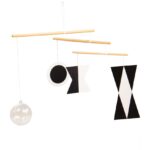
Montessori Mobile
Montessori Mobile

Baby Play Mat